



Nutrien Vital Flow Nutrien Vital Flow
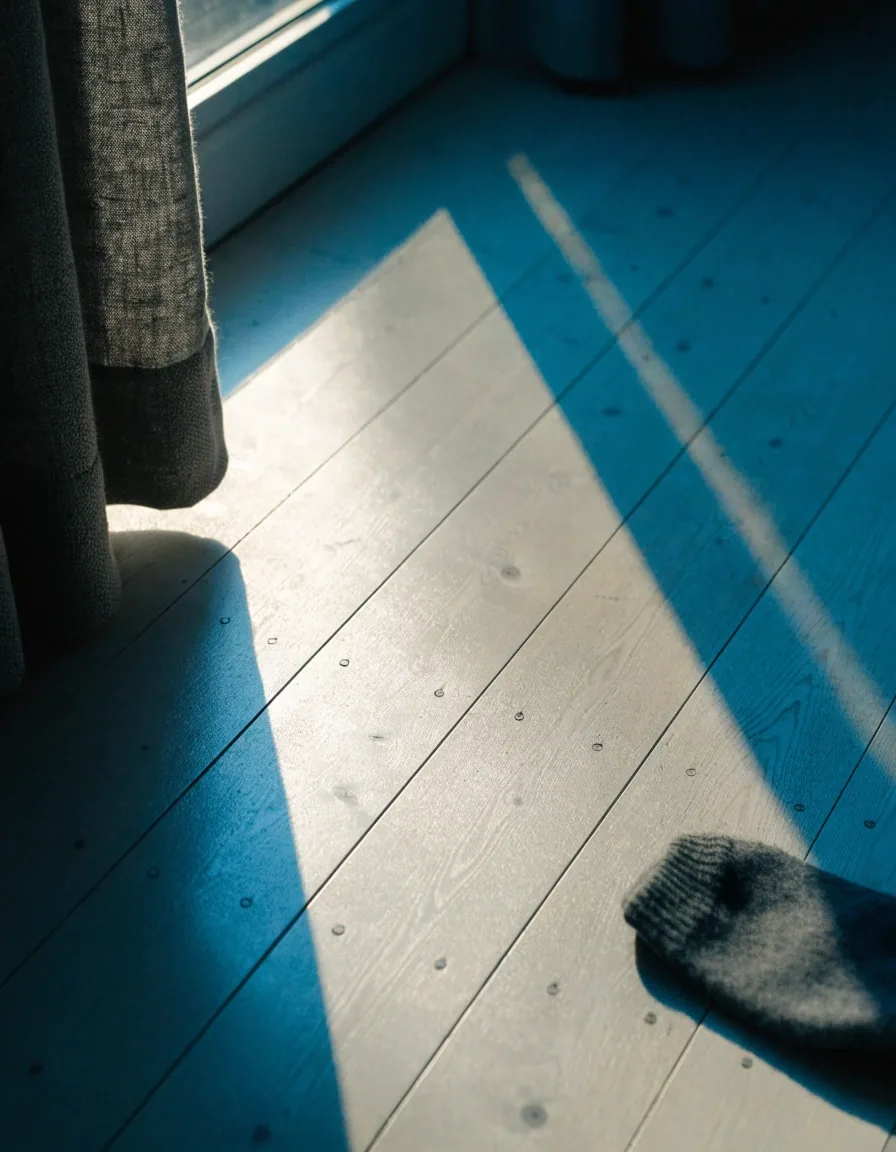
Low morning light striping a bedroom floor and the edge of a wool blanket beside a bedside carafe of water

Sleep hygiene & circadian rhythm

Sleep hygiene and circadian rhythm, explained simply

For people who suspect their sleep could be better without wanting a clinical lecture. Learn how daily habits shape nightly rest, and pick one or two changes you can actually hold onto.

Bowl of cooked legumes with a wooden spoon, linen napkin and a glass of water on a birch board
7 h target window 2 levers to keep

This page is for people who suspect their sleep could be better but don't want a clinical lecture about it. You'll find how sleep hygiene actually works in practice, why your circadian rhythm matters more than you think, and how to pick one or two changes that fit an Estonian winter as well as a bright June evening.

No product recommendations. No promises of perfect sleep — just levers you can test and judge for yourself within a couple of weeks.

Where to start if you only read one thing

Change your wake time before your bedtime. Everything else on this page is easier once your morning signal is steady, which is why the rest of the guide builds toward that one lever.

What sleep hygiene really means

A useful idea wearing a bad name

Sleep hygiene is an unglamorous term for a useful idea: your daily habits shape your nightly rest more than willpower does. Bedtime routines, light exposure, caffeine timing, room temperature, and how consistent your schedule is all feed into it. The reason the term has a bad reputation is that it's often taught as a list of prohibitions.

We prefer thinking in terms of levers. Pull the two that move your rest, keep them, and ignore the rest for now. Two kept routines beat eight abandoned ones, and a half-finished change you keep doing is worth more than a perfect plan you drop by Thursday.

Four levers that carry most of the weight

  • Wake time The anchor. Everything else tunes against it, including how early sleepiness actually arrives.
  • Morning light Daylight in the first hour after waking pulls your clock earlier and makes the evening wind-down easier.
  • Evening dimming Lower light in the last hour tells your body the day is closing, so drowsiness arrives on schedule.
  • Caffeine cut-off Coffee in the afternoon is still active in your system at bedtime, even when you feel tired.

Your circadian rhythm, in plain language

Your body runs on a roughly 24-hour internal clock called the circadian rhythm. It controls when you feel alert, when you feel drowsy, and how your hormones shift through the day. Light is the main signal that sets it.

Morning daylight pulls the clock earlier, which helps you fall asleep at a reasonable hour. Late evening light pushes it later. Everything else, from meals to exercise, plays a supporting role — real, but secondary to the light you catch in the first hour and the light you avoid in the last.

Longevity and healthy life years

What the clock governs through the day

  • Morning Alertness rises Cortisol climbs and body temperature starts to lift, which is why morning light lands so well.
  • Afternoon A natural dip A soft trough arrives after lunch. It is normal, and it is not automatically a sign that something is wrong.
  • Evening Wind-down begins Melatonin release starts when the light dims, so a bright living room can hold it back by an hour or more.
  • Night Deep recovery Sleep cycles repeat roughly every ninety minutes, carrying physical repair and memory consolidation.

Light in Estonia: two seasonal problems

Neither situation is a personal failure. Both are about managing light timing rather than fixing your character.

Dark months, November to February

Daylight is scarce and many people leave for work in the dark and come home in the dark. The clock gets less signal in the morning than it expects, so the wind-down drifts late and mornings feel heavy.

Try this A short walk before work, even under cloud.

Bright months, May to July

Evenings stay bright until very late and the body's natural wind-down signal gets delayed. Falling asleep at a sensible hour becomes a light problem, not a discipline problem.

Try this Blackout curtains, closed an hour before bed.

A morning walk in December and blackout curtains in June are the same intervention applied in two directions: you are telling your internal clock when the day starts and when it ends.

Sleep debt: what it is and what it isn't

Water poured into a squat glass on a birch counter in early morning light
3 nights to settle

Sleep debt is the accumulated shortfall from nights when you slept less than your body needed. It's real, and it shows up as slower thinking, lower mood, and reduced physical recovery. If you have been running short for weeks, you probably feel it in your afternoons before you notice it in your evenings.

What it isn't is a fixed balance you can repay entirely with one long weekend. Sleep debt is paid down gradually, with a few nights of consistent, sufficient sleep. If you've been running short for weeks, expect recovery to take more than one good night — usually it takes several nights in a row before the fog lifts properly.

Small bedside clock on a birch stool in a dim bedroom before dawn

The wake time lever

If you change one thing, change your wake time before your bedtime. Your body uses a stable morning wake signal to anchor the whole rhythm. A consistent 7 a.m. alarm, even on Saturday, does more for sleep quality than an ambitious early bedtime you can't hold.

Once wake time is steady, bedtime tends to settle by itself within a week or two. This is not discipline. It's biology meeting a simple routine — and it is the single change most readers report holding onto past the first month.

How to make it stick in practice

  • 1 Set the alarm for a time you could also manage on a Saturday, not the time you wish you managed.
  • 2 Get light within the first hour — open the curtains, step outside, or eat breakfast near a window.
  • 3 Let bedtime move on its own for two weeks. Don't force it earlier before sleepiness arrives.
  • 4 Give it fourteen days before judging. Rhythm shifts are slow and the first week often feels flat.

Bedtime routines that survive real life

A useful bedtime routine is short and repeatable. Dim the lights an hour before bed. Put the phone on a charger outside arm's reach. Keep the room cool. If your mind races, write tomorrow's tasks on paper before you lie down.

None of this needs to be perfect. A routine that happens four nights out of seven is worth more than one that requires ideal conditions you don't have. Build it around the life you actually live — the shared flat, the shift pattern, the baby in the next room — and it will still do its work.

A routine you could run tonight

  • 21:00Lamps only. Ceiling light off, screens dimmed or set to night mode.
  • 22:00Phone on a charger in another room. No exceptions tonight, none required tomorrow.
  • 22:15Write tomorrow's three tasks on paper, close the notebook, leave it on the desk.
  • 22:30Cool room, dark room, quiet room. Lie down before the second yawn, not after.

Screen fatigue and evening light

Screens are not the villain in every sleep story, but they matter in the last hour. Bright light, especially blue-rich light, tells your brain it's still daytime, which delays melatonin release.

The practical fix is simple: reduce brightness in the evening, enable night mode on devices, and give yourself a screen-free buffer before bed. If you work evening shifts, this gets harder, and we cover that separately on the fatigue page.

Read about fatigue at work

How to know if it's working

Don't track every variable. Notice three things over two or three weeks and let the rest go.

Bedside still life at first light with water glass, folded linen and a closed notebook
21 day review 1 lever to adjust
  • Time to fall asleep If lying down turns into twenty minutes of thinking, the wind-down is the first thing to look at — not your willpower.
  • Night wakings Waking once and settling quickly is normal. Waking repeatedly usually tracks back to room temperature or evening light.
  • First 30 minutes up The clearest signal. If mornings feel less heavy after two weeks, your changes are working. If not, adjust one lever, not five.

Sleep responds to consistency more than to intensity. Two moderate changes held for a month will move you further than a strict plan kept for four days.

What this guide can and cannot do

This is nutritionist guidance on daily habits — light, timing, routines, and the food and movement that support them. It is not a diagnosis and it does not replace care from a qualified professional. Persistent insomnia, loud snoring, or daytime sleepiness that interferes with driving deserves a proper conversation with your doctor.

What it can do is give you a small number of well-chosen changes to test on your own, with a clear way to tell whether they helped. Start with wake time and morning light. Add evening dimming once those two hold.

Questions readers send us

Three that come up most often, answered without the long preamble.

How long does it take to fix a sleep routine? +

Most people notice a difference within one to two weeks if they keep the wake time steady. Full adjustment after months of poor sleep can take longer — think in terms of weeks, not one weekend.

Is it okay to sleep in on weekends? +

A one-hour shift is usually fine. Sleeping until noon on Sunday makes Monday morning much harder, because your clock has to reset twice in three days.

Do sleep trackers help? +

They can help you notice patterns, but the numbers aren't precise. If the data makes you anxious, it's working against you. How you feel in the morning is a better guide.

Nutrien Vital Flow OÜ

Pick two changes. Keep them for a month. Then judge.

Nothing here asks you to overhaul your life. Steady wake time, morning daylight, a dim last hour, and a cool dark room will carry more of your recovery than any single tip further down the list. If something feels off beyond tiredness, talk to a doctor rather than to a webpage.

Visit Peetri plats 3, 20308 Narva, Estonia

Reach us +372 359 8640
[email protected]

Hours Monday to Friday, 9:00–18:00. Saturday consultations by appointment.