
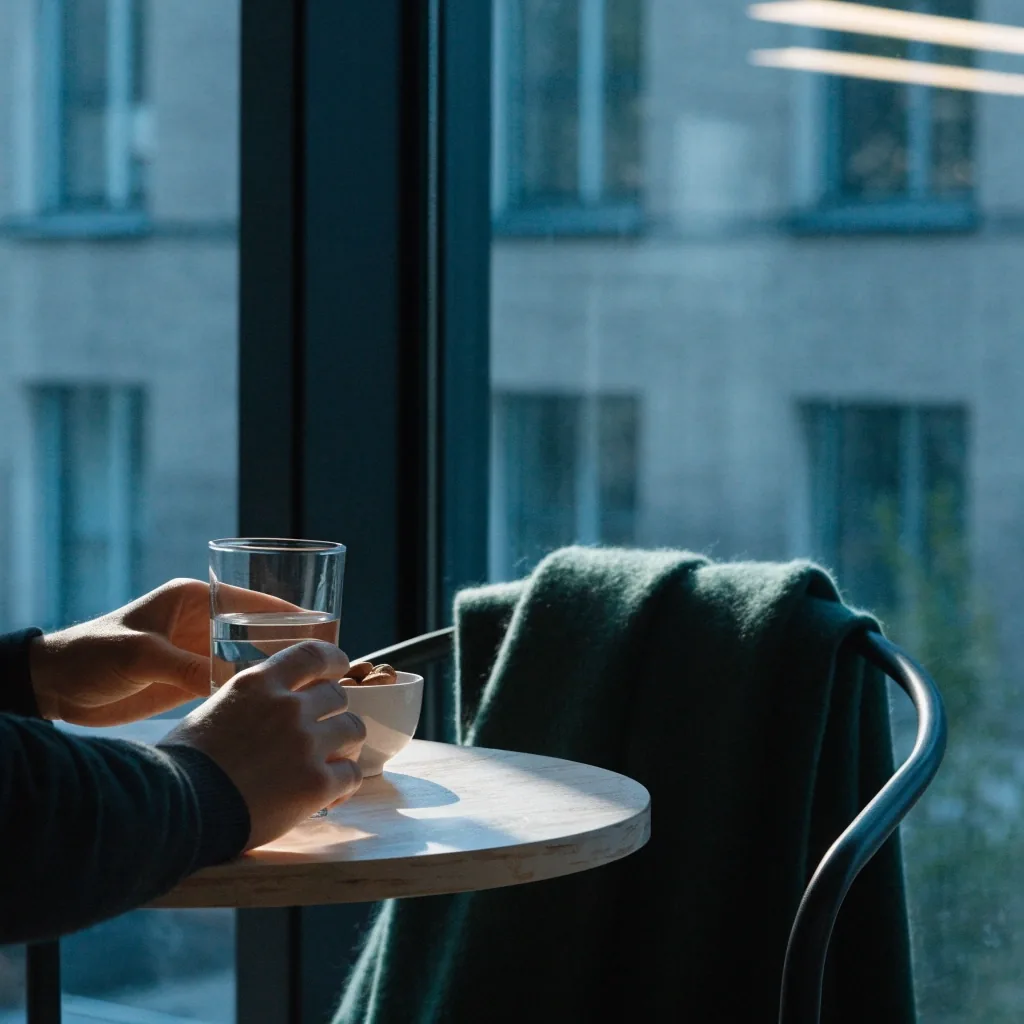
For office and shift workers in Estonia
Managing fatigue and work stress through the working day
Skipped meals, desk lunches, hours of screen time and a chair that has not moved since morning all add to the same tired feeling. This page collects practical adjustments you can make inside a normal working day.
How work stress affects energy
Work-related stress shows up in the body before it shows up anywhere else. Stress raises the body's alertness signals, which sounds useful until you notice the cost. Digestion slows, appetite gets irregular, and sleep quality drops even when the hours look fine.
The result is a loop: stressed, tired, more coffee, worse sleep, more stress. Coffee can carry you through a meeting, but it borrows against the evening. When the last cup lands at four in the afternoon, falling asleep takes longer, and the next morning starts on a deficit. That is why breaking the loop usually starts with one concrete change in the working day, not a lifestyle overhaul.
Pick the single habit that is actually broken right now. For most people reading this it is one of three: a skipped lunch, a bottle of water that never gets refilled, or four hours of screen work without looking away. Fix that one for a fortnight before adding anything else.
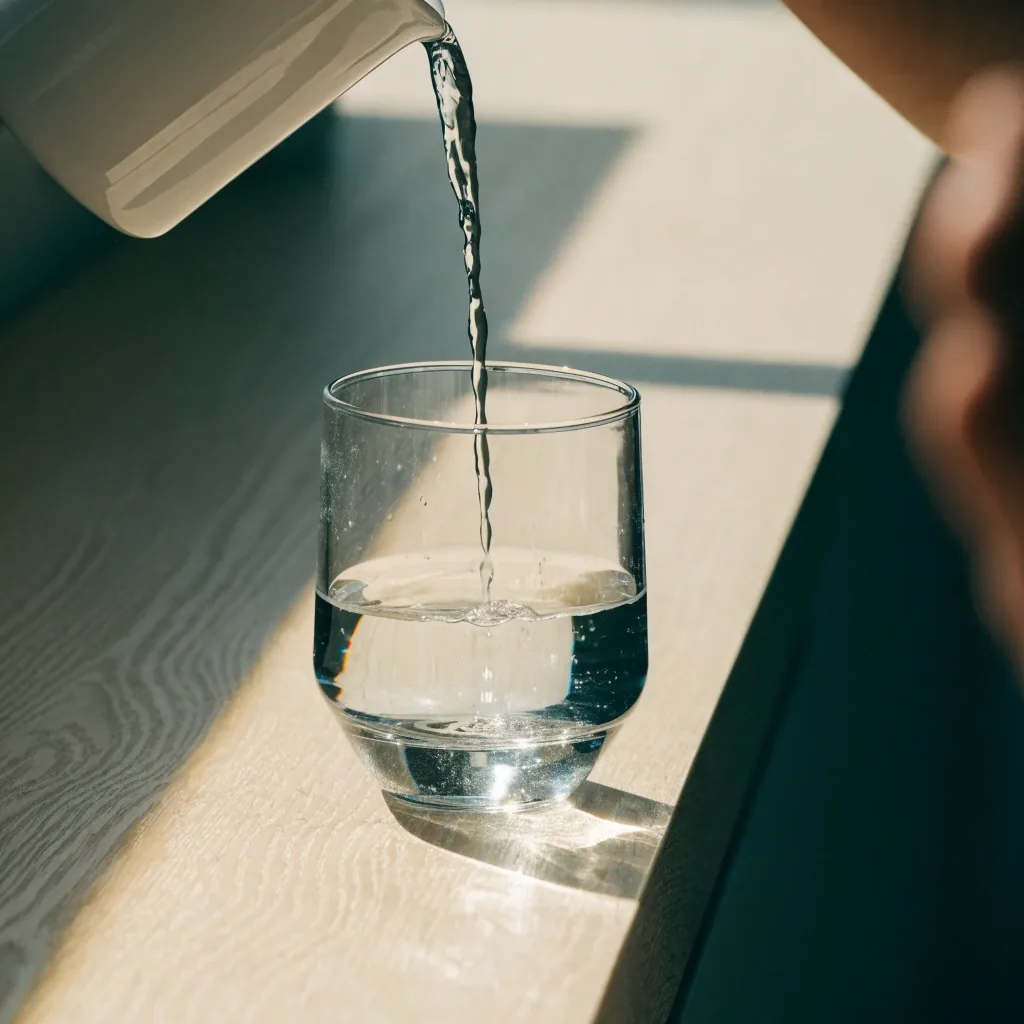
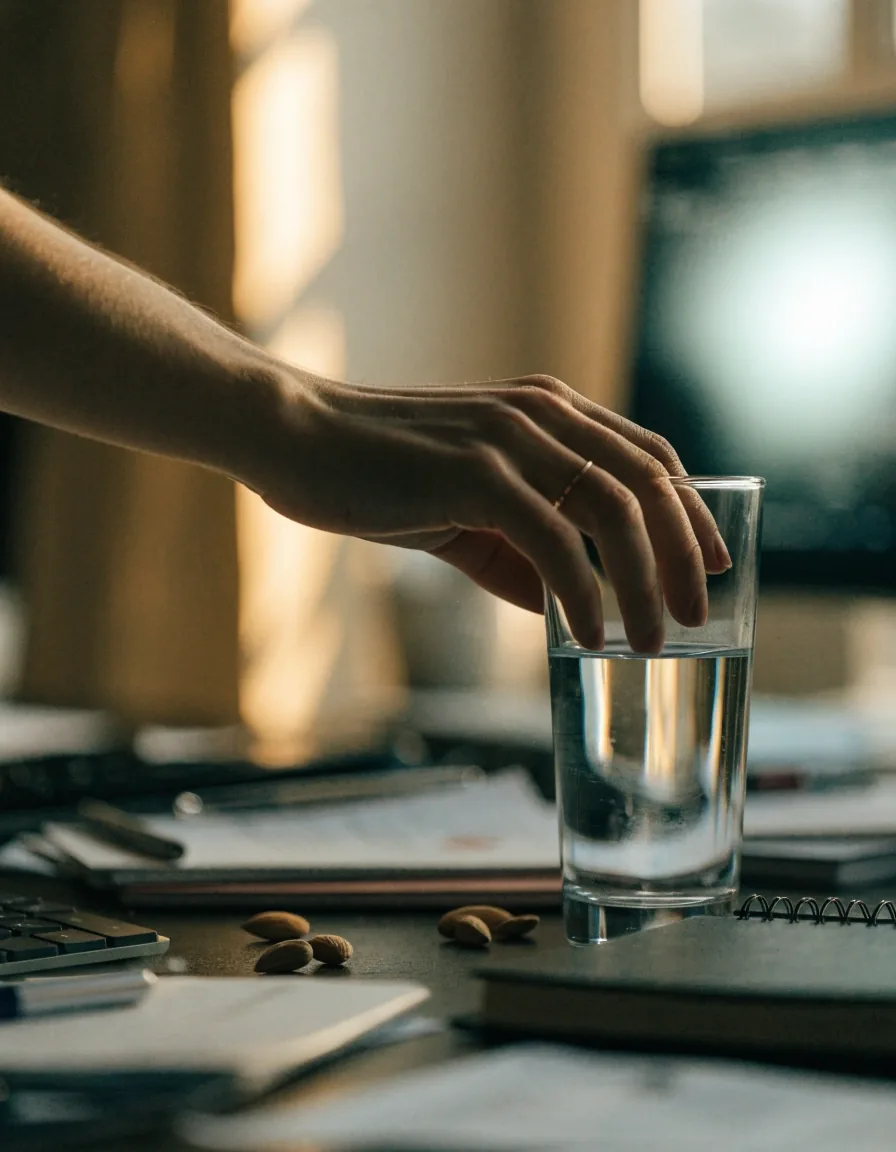
The bottle on the desk is the whole intervention. It removes the decision about whether to get up for water, which is the reason most people drink almost none of it.
Don't skip breakfast or lunch breaks
Estonian workplace health guidance is clear on this: don't skip breakfast or lunch breaks. Breakfast sets the blood sugar pattern for the morning. Lunch, taken away from the desk, gives your body a chance to digest and your eyes a chance to look further than a monitor.
Skipping lunch to "get through the work" is one of the most common causes of afternoon fatigue we see described. The trade is always worse than it looks: you save thirty minutes and lose the two sharpest hours of the afternoon. A lunch that happens at the desk, over a keyboard, does not count either — the point of the break is the distance from the screen, not just the food.
Morning
Breakfast before the first email
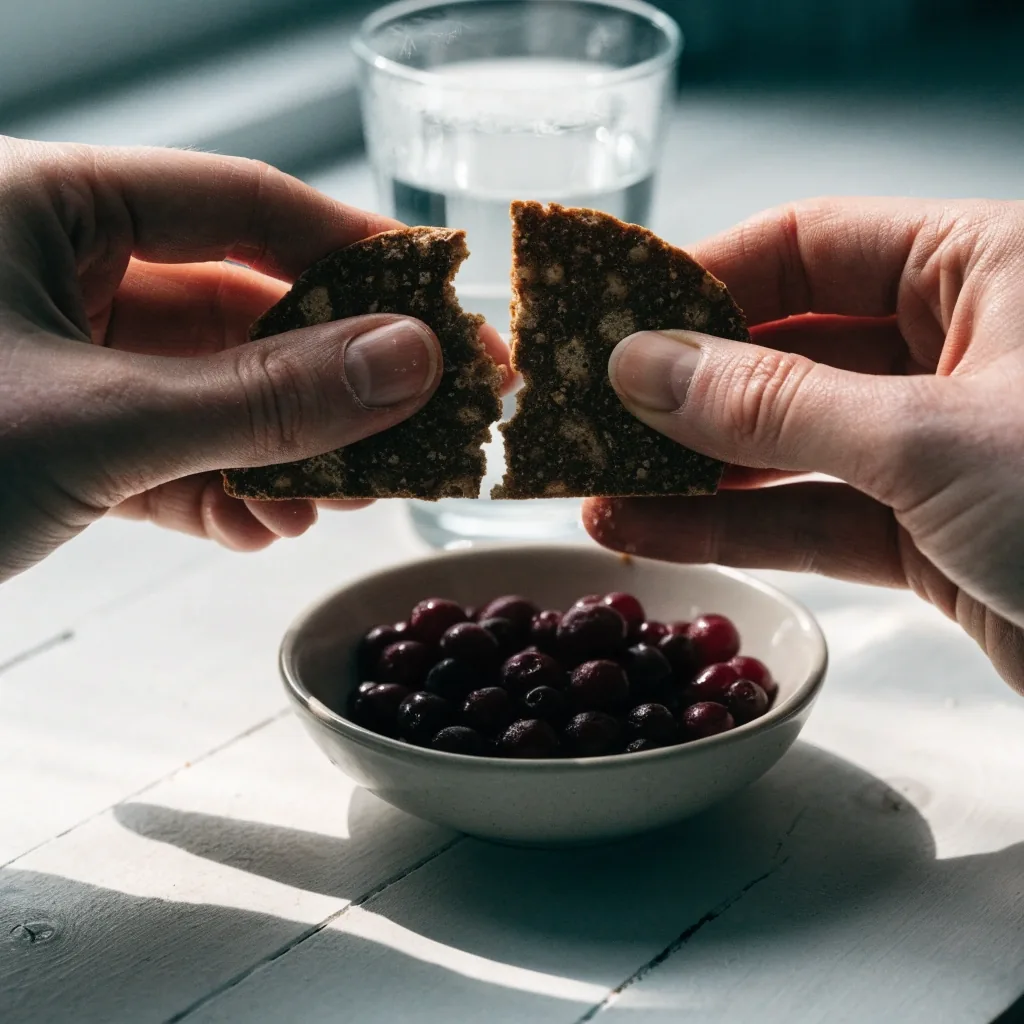
Something with fibre and protein — oats, rye bread with egg, skyr with berries. It holds the morning together instead of leaning on the first coffee.
Midday
Lunch away from the screen
Eat somewhere that is not your desk. Even twenty minutes in a canteen or a kitchen corner gives the eyes and the shoulders a different distance to hold.
Afternoon
Ten minutes of movement, then back
A short walk after eating is the version that survives a busy day. It does not need to be a workout, and it does not need to be outside if the weather is against you.
Move after meals
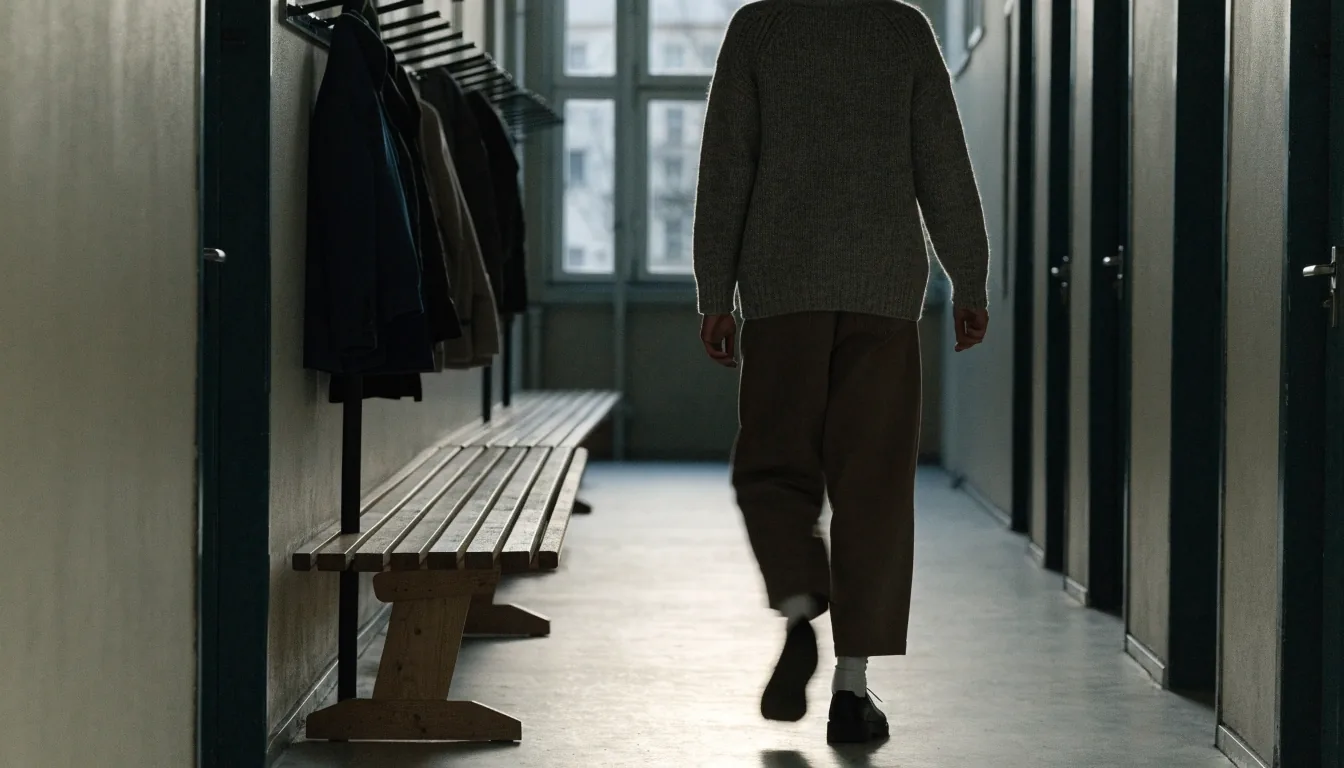
HeBA's workplace wellness advice suggests relaxing or moving briefly after meals. Ten minutes of walking, even indoors, supports digestion and reduces the post-lunch dip.
It doesn't need to be a workout. A short loop around the block, or down the corridor and back, is the version that actually happens on a busy day. If the weather is what usually stops you, treat the corridor as the plan rather than the fallback — the point is the change of posture and the change of distance, not the scenery.
Water, then screen fatigue
The same guidance suggests choosing water over sugary drinks and gives a target of about 1.5 liters a day. Sugary drinks raise energy briefly and drop it faster. Water doesn't give you a lift, but it prevents the slow decline that many people mistake for tiredness.
Screen fatigue is different from eye damage, and it helps to be precise. Extended screen work causes eye strain, dryness, and tiredness, and it can't be undone by any single supplement. Lutein is discussed in the context of macular health and blue light, but it doesn't eliminate the tired feeling after a long day. Regular screen breaks remain the main lever — look away every twenty minutes or so, at something further than the far wall.
Screen break rhythm
- 20–30 min
- Between breaks. You do not have to leave the desk.
- 20 sec
- Looking at something distant is enough to reset focus.
- 1.5 L
- A reasonable water target across a working day for most adults.
Shift work: the harder case
Shift work and the circadian rhythm are natural enemies. Night shifts push you against your internal clock, and rotating schedules make it worse. There's no clean fix, and anyone promising one is selling something.
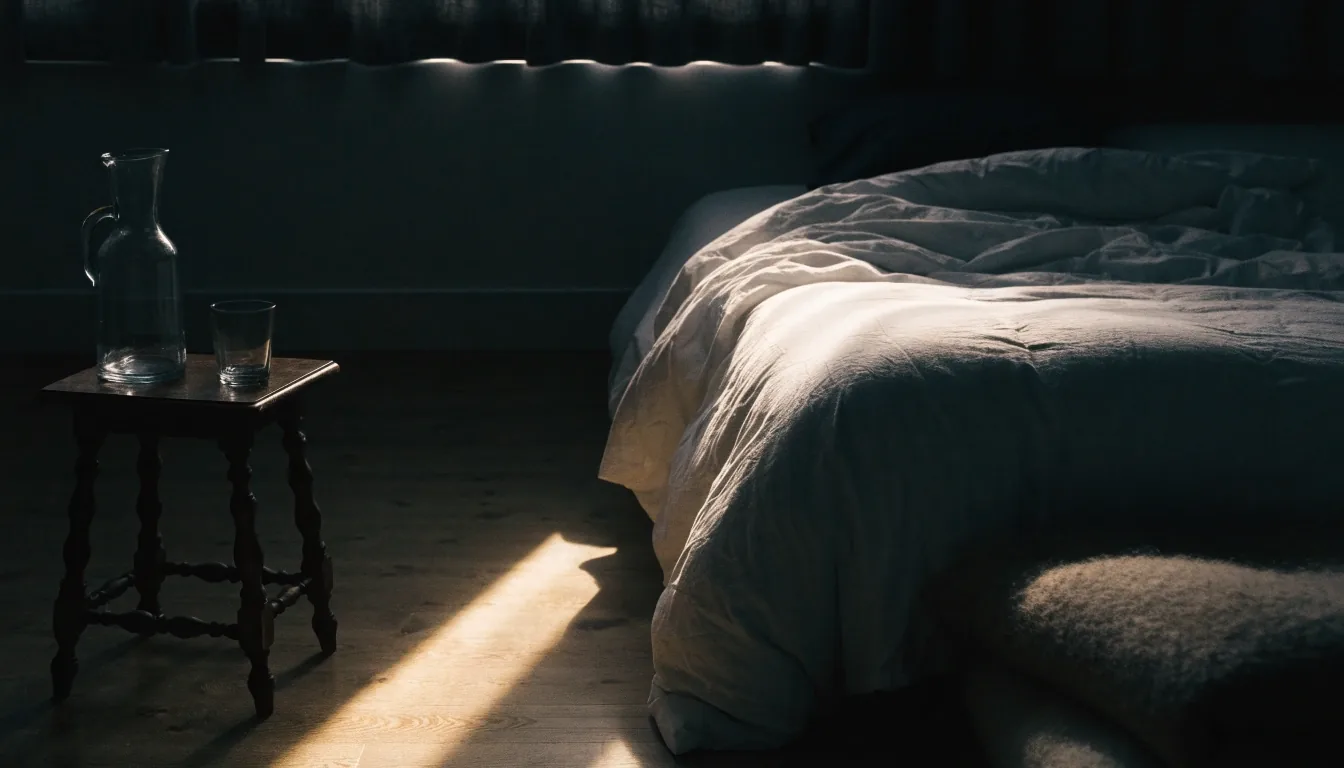
What helps is protecting the sleep you get: a dark, cool room, a consistent routine around the shift, and avoiding caffeine in the last few hours before you plan to sleep. If you work rotating shifts, small consistent habits matter more, not less — the body has fewer regular signals to lean on, so the ones you control carry more weight.
Some practical detail worth knowing: blackout conditions do more than darkness does. Heavy curtains, an eye mask, and a room kept genuinely cool are the pieces that most night workers notice first. Keep the pre-sleep routine identical across shifts — same order, same quiet, whether it is seven in the morning or eleven at night.
What actually helps
- A dark room with real blackout, not just drawn curtains.
- A cool bedroom temperature, cooler than feels normal at first.
- No caffeine in the last few hours before you plan to sleep.
- The same winding-down routine before every sleep, whatever the hour.
The end-of-day transition
One underused habit is a short transition between work and home. Changing clothes, stepping outside, or making a cup of tea in silence gives your nervous system a signal that the day is done. Without it, the thinking continues into the evening, and sleep pays the price.
Five minutes is enough. The habit works because it is the same every time, so the body learns the cue. If you work from the same room you live in, the transition has to be more deliberate, not less — leaving the building, closing the laptop into a drawer, or walking one loop around the block before you sit down.

When to look beyond the working day
If fatigue persists after you've fixed the meals, water, and screen habits, look at sleep and stress outside work. Sometimes the answer is a better bedtime routine. Sometimes it's a conversation with your manager about workload — not a complaint, just a description of what a normal week now looks like.
And sometimes it's worth talking to a doctor, especially if the tiredness is new, severe, or has lasted more than a few weeks. That is not a failure of the habits above; it is a different question that deserves a different answer. Nothing on this page is medical advice, and no food or habit described here replaces a conversation with a qualified professional.
Questions we get about the working day
How much water should I drink at work?
Around 1.5 liters through the working day is a reasonable target for most adults. More if you're physically active or it's warm.
How often should I take screen breaks?
Every twenty to thirty minutes is a good rhythm. You don't need to leave the desk; looking at something distant for twenty seconds is enough.
Can I fix shift work fatigue?
Not entirely. You can protect the sleep you do get with a dark room, a consistent pre-sleep routine, and careful caffeine timing. That's the realistic ceiling, and it is worth reaching for.
Should I take lutein for screen fatigue?
Lutein is discussed in relation to macular health, but it doesn't remove screen fatigue. Regular breaks remain the main lever, and they cost nothing.
Where to go next
If the working day is only part of the picture, these two chapters cover the rest of the groundwork. Sleep & Recovery Basics handles the hours you are not at work. Nutrition for Energy covers what steady energy actually looks like across a week.
Start with one change this week
Pick whichever is broken right now: the meal you skip, the bottle you never refill, or the four hours you spend without looking away from the screen. Run that one habit for a fortnight before adding the next. None of it is medical advice, and none of it replaces a conversation with a qualified professional if the tiredness is new, severe, or long-lasting.
Nutrien Vital Flow OÜ
Peetri plats 3, 20308 Narva, Estonia Monday to Friday, 9:00–18:00; Saturday consultations by appointment +372 359 8640 [email protected]The last detail plate
Every claim on this page is annotated the same way: a one-to-one macro of the thing itself, and the figures that describe it on the strip below. Here it is the bowl of legumes, the base of most of the meals described above.