
Narva — nutrition, sleep and recovery advice
Practical sleep and nutrition guidance for Estonia
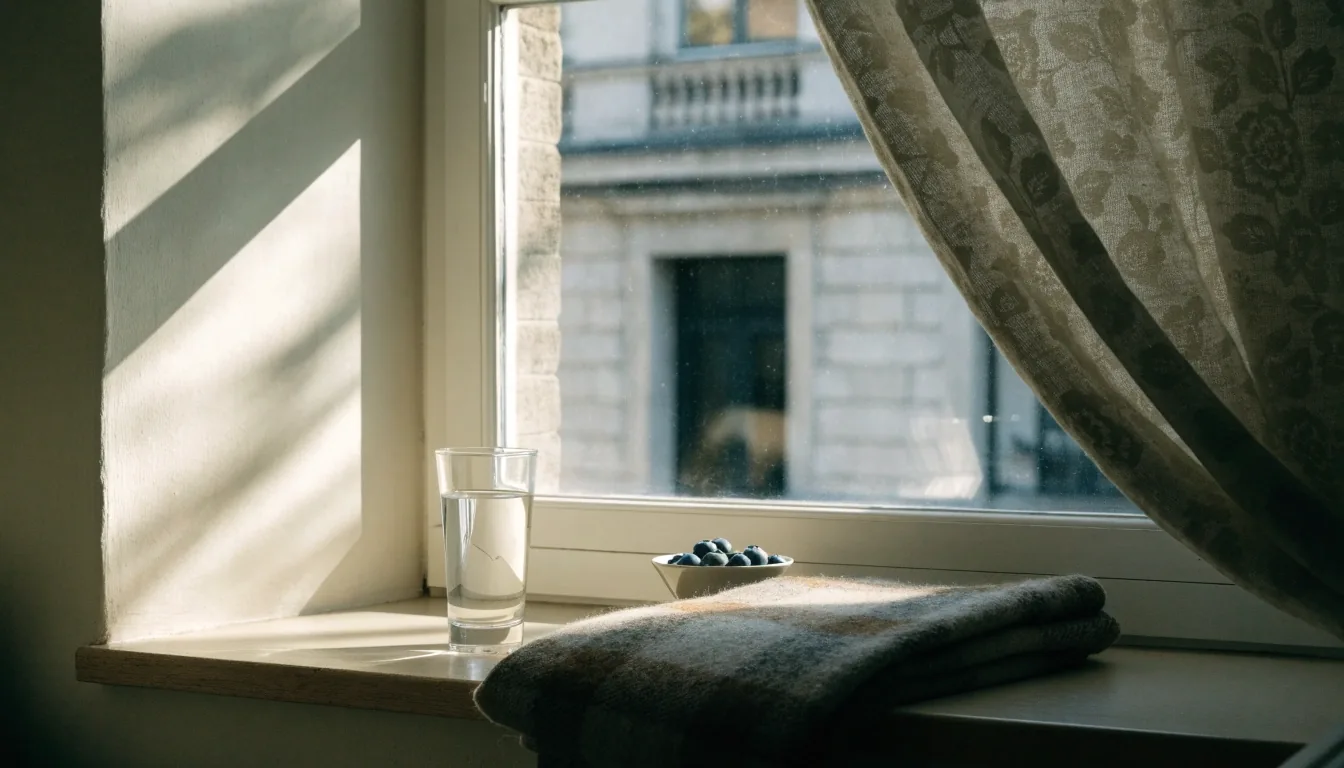
A few habits that hold up on a Tuesday in February, when daylight in Narva arrives late and the afternoon feels twice as long.

What this site actually covers
Most people don't need another wellness trend. They need a few habits that hold up in a cold week. Nutrien Vital Flow collects plain-language guidance on sleep, food, fatigue and everyday recovery, written for adults living and working in Estonia.
Our focus sits in four connected areas: healthy sleep, nutrition for steady energy, fatigue prevention at work, and daily habits that support healthy aging. These aren't separate projects. A skipped lunch shows up as a rough night, and a rough night shows up as a 4 p.m. crash. We write about the loop between them, for office workers, shift workers, parents and students who want more reliable energy without overhauling their whole life. No detox promises, no miracle fixes.
The four things we write about
Each page stands on its own. Read the one that matches the problem you noticed this week.
- 7–9 h Sleep & Recovery Basics How much sleep most adults actually need, why a stable wake time beats a perfect bedtime, and what Estonian winters and bright summer evenings change about the usual advice.
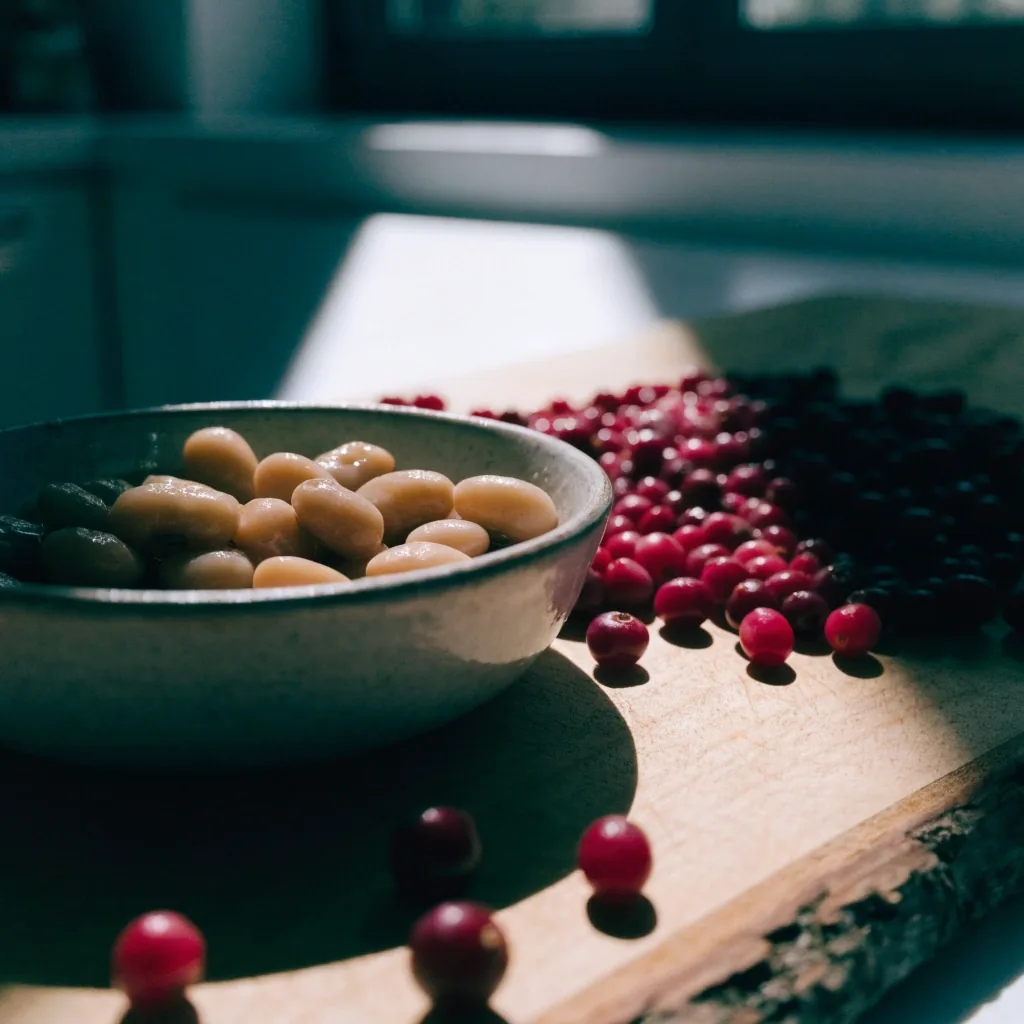
- 3 p.m. Nutrition for Energy Why afternoon fatigue is often a food-timing problem rather than a caffeine problem, and how whole grains, legumes, berries and a clear protein source carry a working day.
- 1.5 L Fatigue & Work Stress What workplace health guidance in Estonia says about breakfast, lunch breaks and water, plus honest notes on screen fatigue for office and shift workers.
- 79.8 yr Longevity & Healthy Life Years Estonia has made real progress on life expectancy. The gap between years lived and years lived well is the interesting part, and habits that shape how those years feel.
Sleep hygiene without the dogma
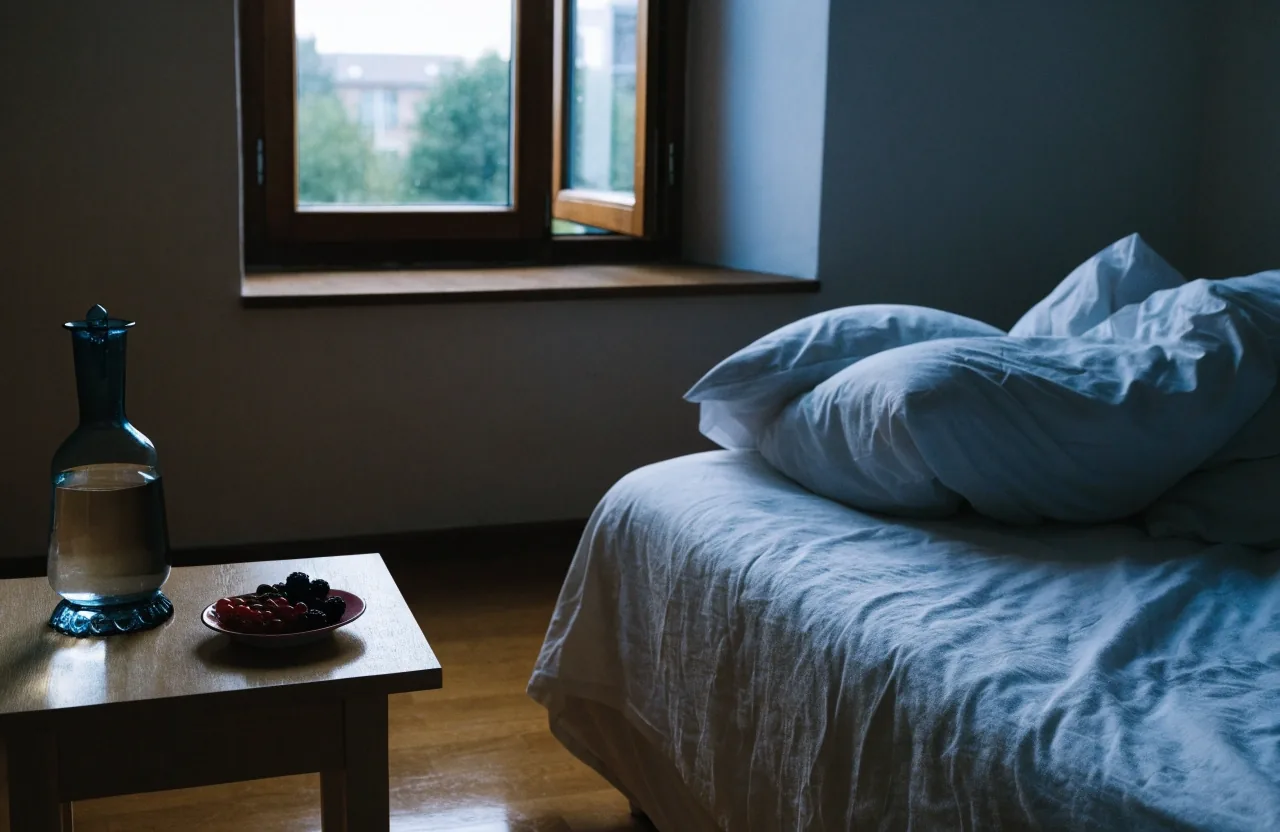
Sleep hygiene gets a bad reputation because it usually arrives as a list of rules. We treat it as a set of levers. Your bedtime routine, screen habits in the last hour, room temperature and wake-time consistency all matter. None is sacred on its own. The point is finding the two or three that move your rest, then protecting them.
Our sleep page walks through this in plain language, including how Estonian winters and bright summer evenings change the standard advice. Start with the wake time. It is usually the easier lever to move first.
Read Sleep & Recovery BasicsWhy the clock matters
Your body runs on a roughly 24-hour internal clock
Light is the main signal that sets it. Morning daylight pulls the clock earlier; late evening light pushes it later. In Estonia that creates two seasonal problems: too little light in December, and too much at 11 p.m. in June. Neither is a personal failing. Both are manageable with timing choices rather than supplements. We explain the mechanics on our sleep page so you can make your own adjustments for the week you are actually having.
Afternoon fatigue is usually a food-timing problem
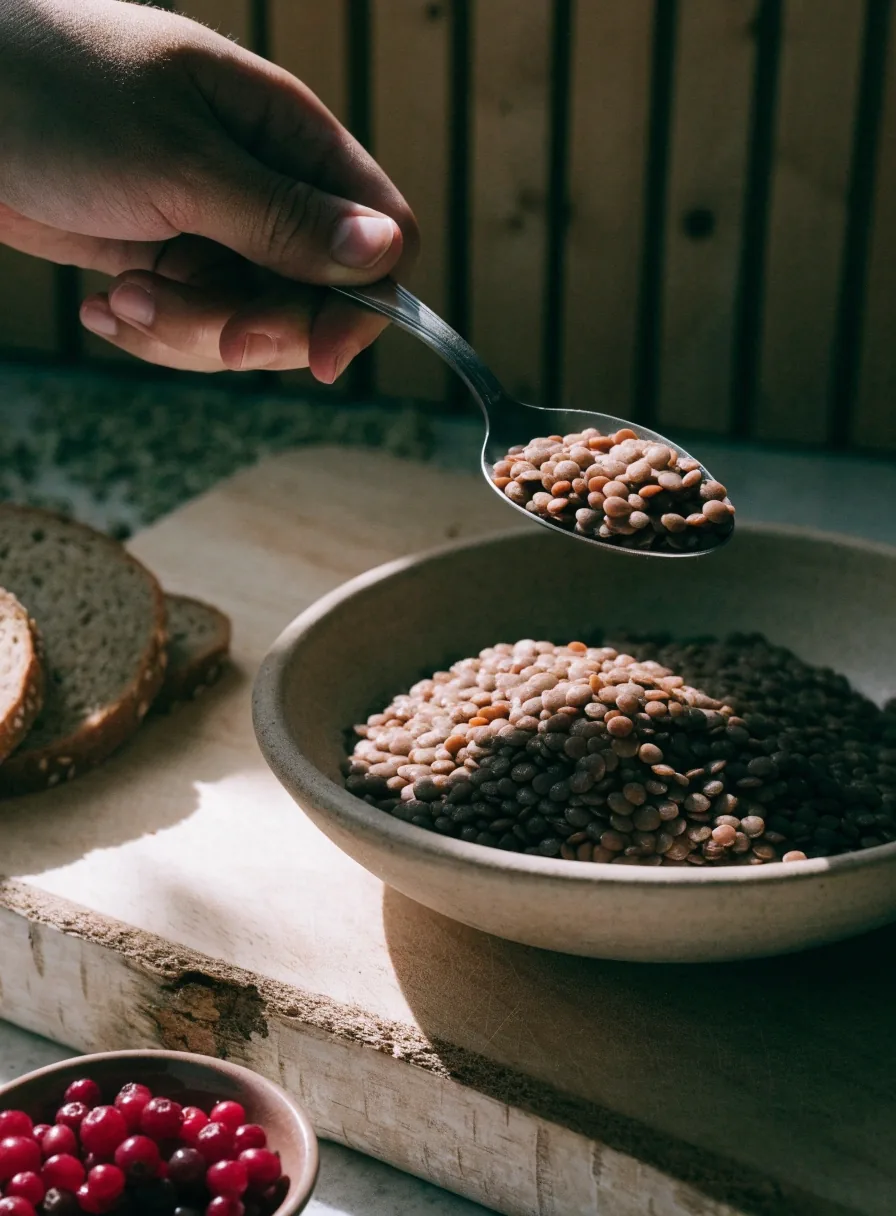
Meals built around whole grains, legumes, berries, vegetables and a clear protein source release energy more slowly than white bread with jam. Legumes in particular are recommended in both Estonian food guidance and Nordic dietary recommendations, and they are cheap. A pot of lentils is not glamorous. It is also one of the most reliable lunches for staying awake through a 3 p.m. meeting.
- 100 g Cooked lentils About the fibre and protein of a proper lunch portion, for the price of a coffee.
- 0.8–1.2 g Protein per kg of body weight General guidance for healthy adults, spread across meals rather than loaded into dinner. Older adults often do better at the higher end.
- 1.5 L Water across the working day The figure Estonian workplace health guidance points to, alongside not skipping breakfast or your lunch break.
Work stress shows up in eating first
Breakfast gets skipped. Lunch happens at the desk. Water is replaced by whatever is in the office fridge. Estonian workplace health guidance points to the same fix each time: don't skip breakfast or lunch breaks, take a short walk after eating, and aim for around 1.5 litres of water a day. Small, boring, effective.
Not every tired afternoon is a sleep problem either. Part of it is monotony, part is dehydration, and part is sitting in the same chair since nine in the morning. Screen fatigue is real, and it is not solved by one supplement. Regular screen breaks remain the main lever; lutein is discussed in the context of macular health and blue light, but it does not remove the tired feeling at the end of a long day. We cover that honestly on the fatigue page rather than promising a shortcut.
Handle fatigue at workBody care that fits a real week
Longevity talk often drifts into biohacking. We stay closer to the ground. Movement you will actually repeat, hydration you don't have to think about, and recovery that fits your schedule beat an ambitious plan you abandon by Thursday.
Fifteen minutes of walking after dinner counts. It counts more than a gym membership you don't use. Everyday Body Care collects routines that can sit alongside nutrition and sleep habits instead of competing with them.
Everyday Body Care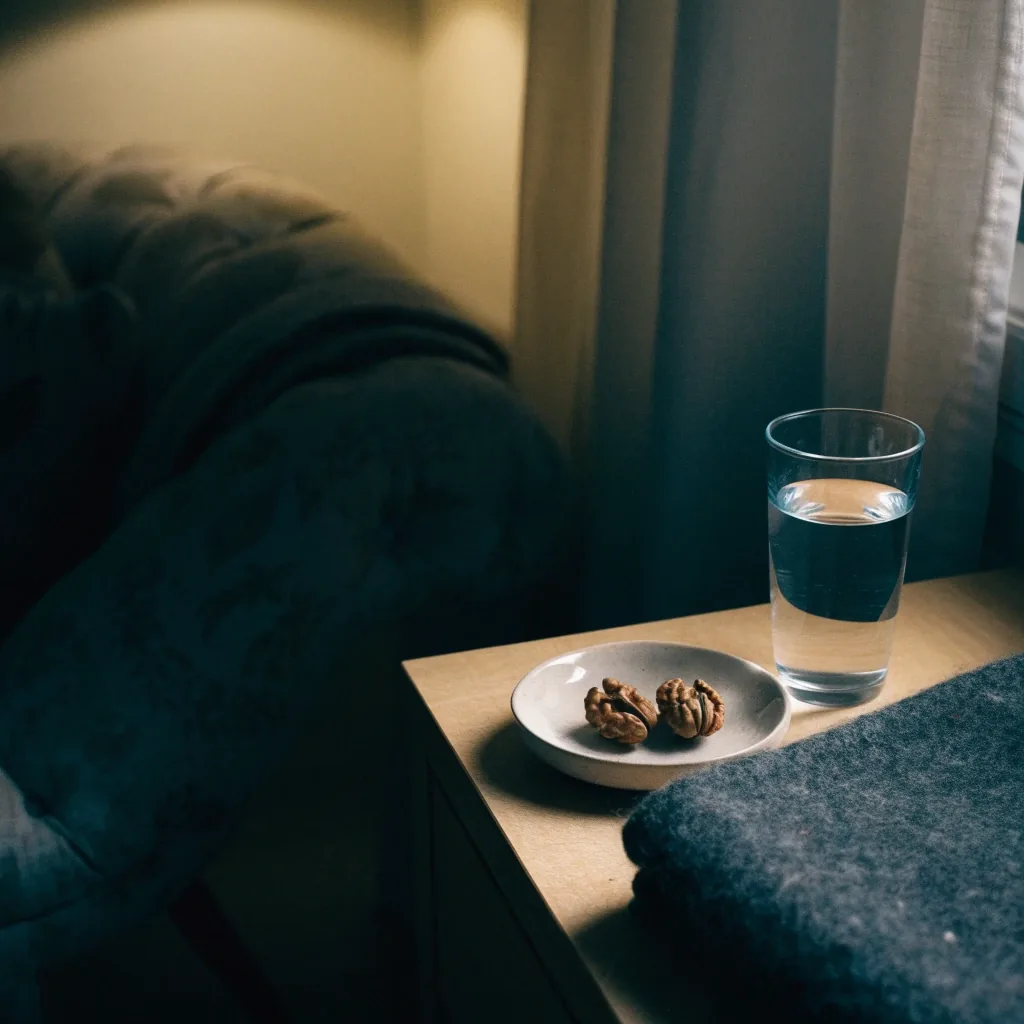
What this page is not
A programme. There is no streak to protect and no plan to buy. Pick the routine that fits the week you already have, run it for a fortnight, then decide whether it is worth keeping.
Living longer is not the same as living well for longer
Estonia has made real progress on life expectancy. Statistics Estonia reported life expectancy at birth of 79.8 years in 2025, alongside a healthy life expectancy of 57.3 years. The gap between those two figures is the interesting part. Habits that support healthy life years, like better sleep, plant-forward eating and regular movement, do not add years overnight. They shape what those years feel like.
The Global Nutrition Report country profile notes that Estonia is on course to meet three global nutrition targets where sufficient data exist. That is a real achievement, and it does not mean the work is finished. National guidance still points to more plant-forward eating, less processed food and better sleep. We write about both sides: what is working, and what still needs attention.
Understand healthy life years
What we don't do
This site is written for healthy adults who want steadier energy and better rest. It is not a clinic, and it is not a shop.
-
We don't diagnose
If you have a medical condition, a diagnosed sleep disorder or you are taking medication, bring our general guidance to your doctor rather than replacing their advice.
-
We don't sell supplements
There is nothing to add to a basket here. The advice covers food, light, timing and routine, which is where most of the effect sits anyway.
-
We don't promise a fix
No single ingredient repairs your sleep or your energy. If something on this site reads like a cure, we have written it wrong and we will correct it.
Not sure where to begin? Pick the page that matches the week
Tired at 3 p.m.
Start with lunch. Eating away from your desk, a short walk afterwards and water through the day covers most cases. If that doesn't help, look at sleep and screen habits before reaching for more coffee. It is the most practical page on the site for an office week.
See nutrition for steady energyWaking up flat
Most adults do best with seven to nine hours, and consistency matters as much as the total. Eight hours at wildly different times still leaves your internal clock guessing. A stable wake time is usually the easier lever to fix first, even in a dark December.
Read Sleep & Recovery BasicsDrained by Thursday
Read one page. Try one change for two weeks. Come back. That pace is deliberate: sleep and energy habits need a fortnight before you can judge them, and this page maps what to adjust when the first two weeks hold and when they don't.
Handle fatigue at workQuestions readers send us
The five that come up most often, answered the same way we would answer them by email.
How many hours of sleep do adults actually need?
Most adults do best with seven to nine hours, and consistency matters as much as the total. If you sleep eight hours but at wildly different times each night, your circadian rhythm still struggles. A stable wake time is often the easier lever to fix first.
What foods give steady energy without a sugar crash?
Meals that combine fibre, protein and some fa tend to hold longer. Whole grains, legumes, berries, vegetables, eggs, fish and plain dairy are common building blocks. A lunch of lentil soup with rye bread behaves very differently from a pastry and a coffee.
How can I reduce afternoon fatigue at work?
Start with lunch. Eating away from your desk, taking a short walk afterwards and drinking water through the day covers most cases. If that doesn't help, look at your sleep and your screen habits before reaching for another coffee.
How much protein should I eat in a day?
General guidance for healthy adults sits around 0.8 to 1.2 grams per kilogram of body weight, depending on activity level and age. Older adults often benefit from the higher end. Spread it across meals rather than loading it all into dinner.
How do I sleep better during dark winters and bright summer evenings?
Get outdoor light in the morning, especially in winter, and keep evening light lower in summer. Blackout curtains help in June. In December, a morning walk does more for your rhythm than any supplement.
Editorial practice
Who writes this
Nutrien Vital Flow is an editorial project written for readers in Estonia. Content is based on public health guidance, national dietary recommendations, and general nutrition and sleep science. It is reviewed and updated when the underlying guidance changes. We name our sources as categories rather than as proof of authority, because the topic matters more than the resumé.
Every article ends with the same three questions: what is the actual claim, where does it come from, and what would a reader do differently on Monday morning. If the last question has no answer, the piece is not finished.
Where the guidance comes from
Estonian public health and workplace health material, Nordic and national dietary recommendations, and general nutrition and sleep science. We say which category a claim belongs to rather than dressing it as clinical proof.
How updates work
When the underlying recommendations shift, the page changes and the date at the foot of that page changes with it. Corrections are welcome; if something reads like a promise, we would rather fix the sentence than defend it.
Read one page. Try one change for two weeks.
Then come back and tell us how it went. If a question about sleep, food, fatigue or everyday recovery is not answered yet, that is the best reason to write to us — reader questions decide which page gets written next.
Reach the editorial desk
Nutrien Vital Flow OÜ
Peetri plats 3, 20308 Narva, Estonia
Monday to Friday, 9:00–18:00. Saturday consultations by appointment.
Nutrien Vital Flow publishes general nutrition and lifestyle information. It does not diagnose, treat or prevent any condition, and nothing here replaces advice from a qualified professional. Food, supplements and medication can interact; check with your doctor or pharmacist first.